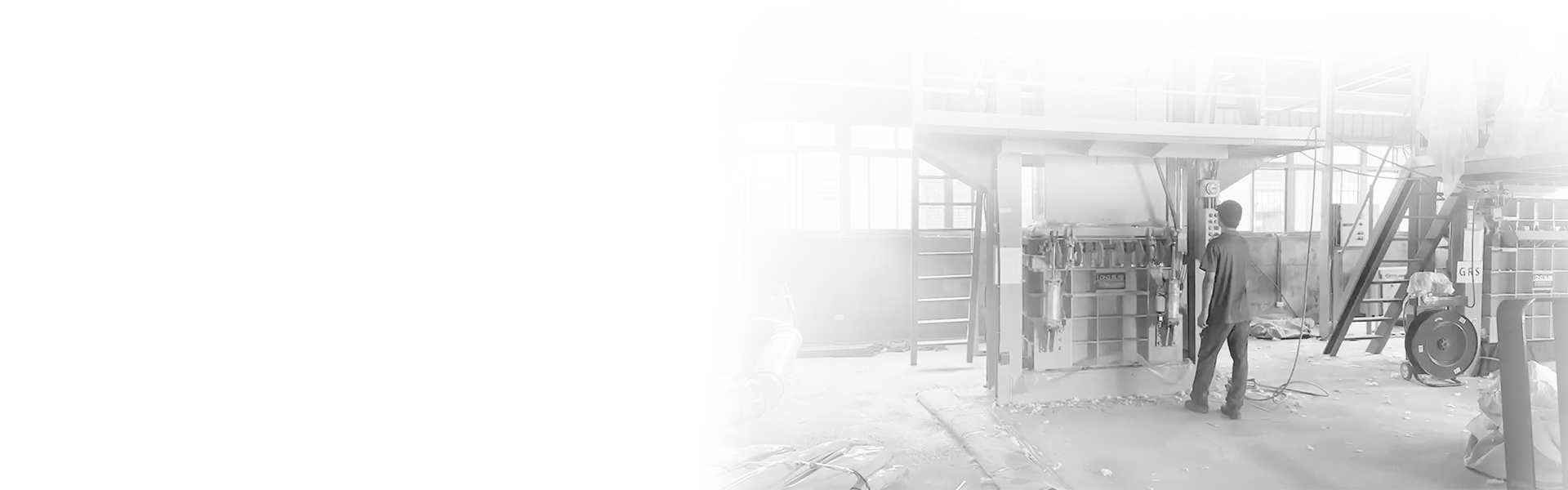
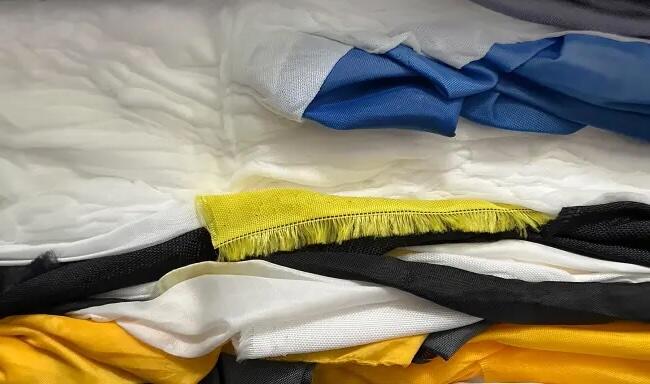
We offer a comprehensive waste garment and cloth recycling system designed to transform post-industrial and post-consumer garments, fabrics, and yarn waste into reusable fiber.Our system integrates a series of purpose-built machines that automate and optimize every stage of the recycling process — from cutting, feeding, and opening to fiber cleaning, collection, and baling.This turnkey solution is ideal for textile mills, fabric mills, garment factories, recycling plants, and manufacturers seeking to reduce waste, reclaim valuable fibers, and advance sustainable production cycles.The Waste Garment/Cloth Recycling System draws on Long Bliss's more than 50 years of engineering experience in custom turnkey installations. The company delivers complete recycling lines to customers across North America, Southeast Asia, South Asia, Oceania, and Africa. Long Bliss's subsidiary, Wellying Co., Ltd. (also known as Yongying Co., Ltd.), earned the GRS Global Recycling Standard certification in June 2023.01Cutting (LB-107)Waste garments or fabrics are fed into the LB-107 cutting machine and chopped into small pieces, preparing them for the subsequent fiber opening process.02Feeding (LB-203)The LB-203 auto feeder conveys and uniformly mixes the cut fabrics into the system through its conveyor, ensuring smooth and balanced input.03Rag Tearing (LB-409)Using the LB-409 rag tearing machine, fabrics and textile waste are opened into reusable fibers.04Fine Combing (LB-407)Fibers pass through the LB-407 fiber combing machine for further refinement, making them softer, aligned, and free of impurities.05Intermediate Storage (SB)The processed fibers are temporarily stored in the storage box (SB), acting as a buffer before final processing.06Baling (LB-502D)The finished fibers are compressed into compact, stackable bales by the LB-502D baling machine, making them easy to transport and store.07Dust Collection (LB-701)The LB-701 central dust collection system continuously removes airborne fibers and dust, keeping the workspace clean.Advanced Process NotesClassification of Large and Small FabricsLarge pieces are cut in two procedures by the first LB-107 cutting machine, while small pieces are cut in a single procedure by the second.Rag Tearing (LB-409)After transport, the material enters the LB-409 rag tearing machines, distributed across the first to sixth feeding entrances for progressive fiber opening.Recycle BinSmall cloth pieces separated by the LB-407 combing machine are collected in recycle bins and further processed by the LB-208 fiber opener for reuse.Storage & BalingAfter cleaning, fibers are stored in the storage box and transported via airflow to the LB-502D baling machine, automatically pressed into compact bales, then manually packaged and stored.Central Dust Collection (LB-701)The LB-701 system continuously collects dust and fine fibers through airflow, maintaining a clean and safe environment.FAQsHow does the system handle different sizes of fabric scraps and garment waste without clogging?The system separates large and small pieces before cutting to keep material flow steady. The first LB-107 flat-blade cutting machine cuts large fabric pieces in two passes, while a second LB-107 cuts smaller pieces in a single pass. This keeps material size even and conveyor input balanced before the fabric reaches the fiber-opening stages, which helps prevent blockages and reduce strain on the machines.Are small cloth pieces separated during the fine combing stage lost as waste?No. The LB-407 fiber combing machine separates small cloth pieces into dedicated recycle bins, and the LB-208 fiber opener machine reprocesses them and returns them to the fiber flow, so the material is not lost.