
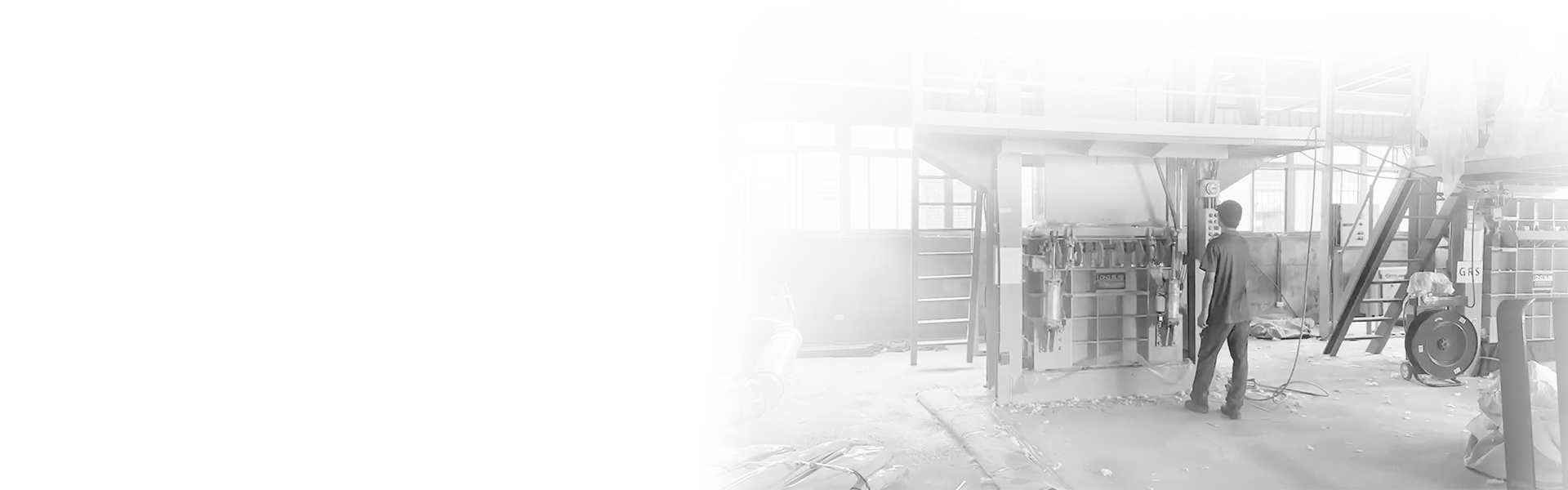
Garment Waste Management & Recycling
Our Second-hand Clothes and Garment Recycling Solution supports effective garment waste management by processing garment factory offcuts, fabric scraps, and second-hand clothing. Through waste cloth recycling, the system converts discarded textiles into reusable fiber materials for further industrial applications.
Recovered fibers can be reused in applications such as non-woven products, padding and filling materials, or further refined and re-spun into yarn for new textile production.
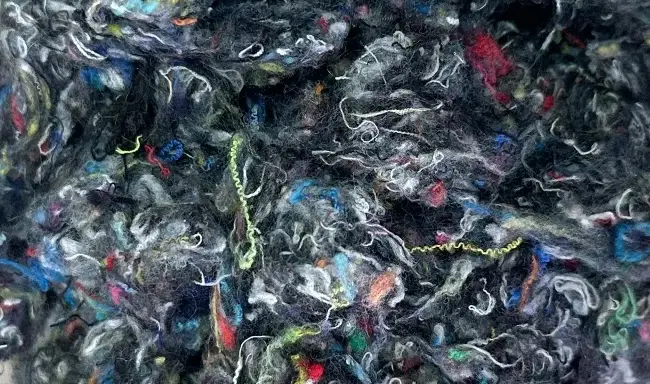
End Uses of Recovered Fibers
This garment waste management solution serves textile mills, fabric mills, garment factories, recycling plants, open-end spinning mills, and non-woven manufacturers. It processes post-industrial offcuts and fabric scraps along with post-consumer second-hand clothing, converting them into recovered fiber. Non-woven manufacturers can bond these fibers into insulation batts and panels for wall and ceiling insulation or automotive soundproofing. The opened fibers also work as padding and filling material for cushions, furniture, mattresses, toys, pet beds, and quilted products. Spinning mills can blend the recovered fiber with virgin material and re-spin it into yarn for denim fabrics, socks, eco-friendly bags, and industrial gloves.
After processing, the recovered fibers can be reused in a wide range of downstream applications, depending on material composition and processing requirements:
Thermal Insulation Materials
Recovered fibers can be processed into insulation materials such as batts or rigid boards through thermal bonding. These insulation materials are widely used in building applications, including wall and ceiling thermal insulation, as well as in the automotive industry for soundproofing and thermal insulation panels.Padding and Filling Materials
Recovered fibers can be processed into loose-fill fiber or formed into bonded padding layers, depending on product requirements. These padding and filling materials are widely used in applications such as cushions, furniture, mattresses, toys, pet beds, and quilted products, where volume, resilience, and cushioning performance are required.Yarn Spinning
Recovered fibers can be blended with virgin fibers and re-spun into yarn for textile production. This approach is commonly used in applications such as denim fabrics, socks, eco-friendly bags, and industrial gloves, allowing manufacturers to reuse recovered fiber while maintaining functional textile performance.
FAQs
How does the system handle different sizes of incoming garment scraps without creating bottlenecks?
The turnkey line uses a multi-stage cutting setup for different feed sizes. Large fabric scraps and garments go through two cutting passes on the first LB-107 machine, while smaller pieces need only one pass on a second unit. Small cloth pieces that the LB-407 combing machine separates out later are collected and sent back to the LB-208 fiber opener for reprocessing, keeping material flowing steadily through the line.
Does processing post-consumer garments and dusty fabric scraps affect the workspace or downstream equipment?
The turnkey line integrates the LB-701 Central Dust Collection System, which runs continuously through the recycling process and uses airflow to pull airborne fibers and fine dust out of the cutting, tearing, and opening stages. That keeps the workspace clean and reduces wear on downstream machines.
Turnkey Recycling System
This recycling solution is delivered as a turnkey system, covering system planning, equipment integration, and process coordination based on specific material and production requirements. By providing a complete and ready-to-operate recycling line, the turnkey approach simplifies project implementation and reduces integration effort for manufacturers. This allows customers to focus on garment waste management and fiber reuse without the complexity of managing individual machines separately.
