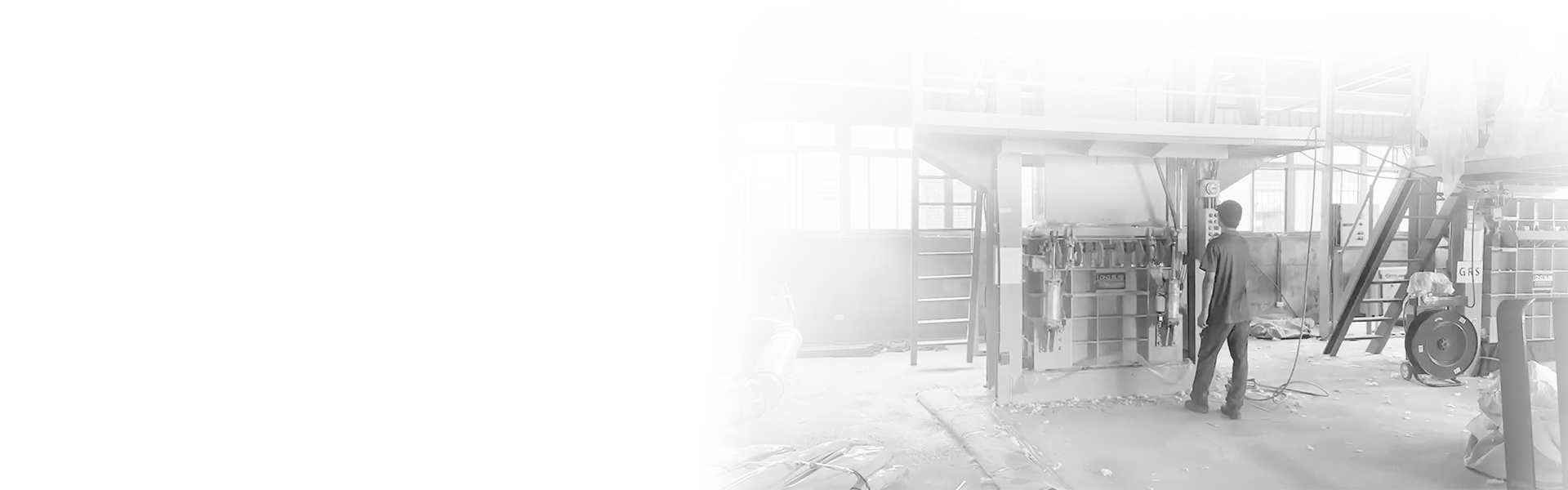
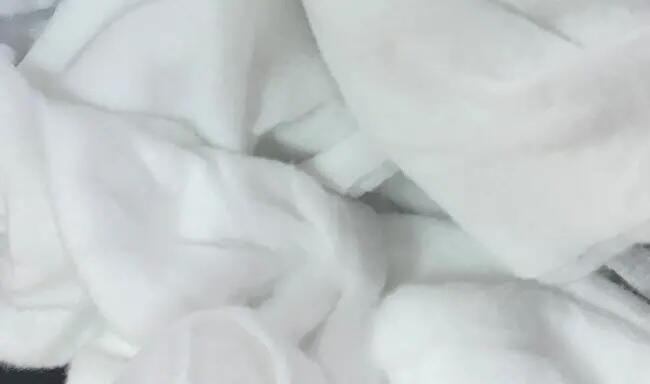
Efficient fiber recovery for post-industrial non-woven waste.Our Non-Woven Recycling System is designed to handle various forms of non-woven waste, including industrial production waste and edge trims. It integrates multiple non-woven fabric recycling machines, each responsible for a specific processing stage within the recycling line.This system combines cutting, feeding, fiber opening, intermediate storage, baling, and dust control into a single recycling line. By maintaining stable material flow and continuous operation, the system helps condition non-woven waste into reusable fiber material with consistent quality, making it well-suited for manufacturers engaged in non-woven production.The Non-Woven Recycling System is designed for non-woven manufacturers, textile mills, and recycling plants. It handles non-woven waste such as industrial production waste, edge trims, offcuts, and rejected sheets, and combines cutting, feeding, fiber opening, intermediate storage, baling, and dust control into one line that conditions this waste back into consistent, reusable bulk fiber.Recycling ProcessThe non-woven recycling system connects automated machines in sequence to process non-woven waste for fiber reuse. Together, these non-woven fabric recycling machines operate as a coordinated line, ensuring stable material handling throughout the recycling process.01Cutting (LB-107)Non-woven waste, such as industrial offcuts, edge trims, or rejected sheets, is first processed through two cutting stages to achieve a consistent material size. This ensures stable handling and prepares the material for controlled fiber opening. After cutting, the material is conveyed by an air blower to the feeding stage, enabling continuous transfer without manual intervention.02Feeding (LB-203)The LB-203 Auto Feeder receives the cut material and functions as a buffering and metering unit. It delivers material at a controlled and consistent rate into the fiber opening process, helping prevent material surges and supporting stable operation during opening.03Fiber Opening (LB-409)The LB-409 Fiber Opening Machine opens compacted non-woven material into loose, bulk fibers. This stage separates bonded or compressed structures and restores material volume, allowing the fibers to move smoothly through subsequent processing stages.04Fine Opening (LB-407)Fibers then pass through the LB-407 Fiber Combing Machine for further opening and refinement. Light impurities are reduced, and remaining fiber clusters are loosened, improving overall fiber uniformity and cleanliness.05Intermediate Storage (SB)The Storage Box (SB) temporarily holds processed fibers to smooth out short-term fluctuations in fiber flow. By balancing uneven output from the opening and combing stages, it allows the baling machine to receive a steady and consistent fiber supply.06Baling (LB-502D)The fibers are compressed into compact, stackable bales using the LB-502D Baling Machine. Baling reduces storage volume and facilitates handling, transport, and downstream use.07Supporting Measure – Dust Collection (LB-701)The LB-701 Central Dust Collection System operates across the recycling line, removing airborne fibers and dust generated during processing and helping maintain a clean working environment.Advanced Process NotesIntegrated Equipment of the Recycling SystemThe non-woven recycling system integrates the following equipment to form a complete and coordinated processing line.FAQsHow does the Non-Woven Recycling System handle different sizes of non-woven production waste?The LB-107 Fabric Cutting Machine processes input material through two cutting stages to reach a consistent size before opening. Once cut, the material is conveyed by an air blower to the feeding stage without manual intervention.How does the system manage material surges and keep the baling process running smoothly?The LB-203 Auto Feeder buffers and meters material, feeding it into the fiber opening stage at a controlled, consistent rate. Processed fibers then pass into the Storage Box (SB), which buffers short-term fluctuations in fiber flow, so the LB-502D Baling Machine receives a steady supply and compresses it into compact, stackable bales.