
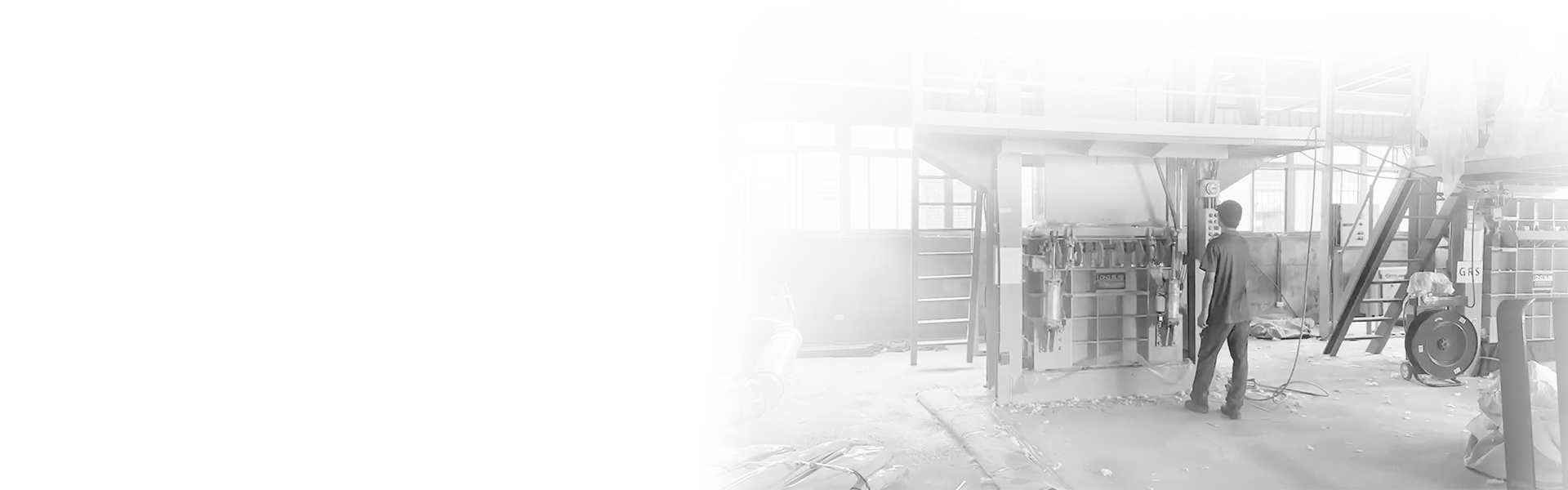
Cotton Recycling System
Efficiently recovery of high-value cotton fibers from spinning mill waste.
Our Cotton Waste Recycling System is a fully integrated processing line designed to recover reusable cotton fibers from spinning mill waste. The system integrates multiple cotton recycling machines—including automatic feeding, material buffering, fiber opening, multi-stage cleaning, and baling—into a coordinated workflow to ensure smooth operation and consistent output quality.
By processing short-fiber waste such as blowroom waste and cutting scraps into secondary raw materials rather than discarding them, spinning mills can increase raw cotton utilization and reduce unnecessary waste generated during production.
Recycling Process
The cotton recycling system sequentially integrates multiple cotton recycling machines to maintain a steady material flow, effectively remove impurities, and deliver consistent quality recycled fibers throughout the process.
Feeding (LB-203)

Intermediate Buffering (RB)

Preliminary Opening (LB-208)

Multi-Stage Cleaning (LB-601)
Pre-Baling Storage (SB)

Baling (LB-502C / LB-502D)

Central Dust Collection (LB-701)

Advanced Process Description
Integrated Recycling Equipment
The cotton waste recycling system integrates the following equipment to support steady and efficient fiber recovery.
FAQs
How does the system manage dust when processing waste cotton?
Dust control runs through the line in stages. The LB-208 preliminary opener includes an integrated dust-removal blade that clears loose dust as it opens the fibers. The LB-601 seven-section cleaner then filters cotton husk dust and trash through its internal screens. Finally, the LB-701 central dust collection system continuously extracts airborne fibers and dust to keep the work area clean.
Does processing tightly compacted blowroom waste and spinning mill scraps damage the fibers or the equipment?
The system opens material gradually to avoid this. Compacted cotton waste first passes through the LB-208 fiber opener, where specialized card clothing loosens tangled fibers gently, preserving fiber length before the material moves into the LB-601 multi-stage cleaning section.
